
Tips From Flooring Contractors
Flooring is a critical aspect of home design and maintenance, influencing aesthetics, functionality, and property value. In this article, we explore expert advice from seasoned flooring contractors to help homeowners make informed decisions and achieve the best results in their flooring projects. Understanding various types of flooring materials, evaluating cost versus value, adhering to installation best practices, ensuring proper maintenance, and keeping up with trends can greatly affect the overall success of your project. With this comprehensive guide, you’ll gain insight into each facet of flooring selection and care, equipping you with the tools to transform your living space. Whether you're planning a renovation or a new project, these tips will help create durable and beautiful flooring solutions that meet your specific needs and preferences.
Understanding Different Types of Flooring Materials
1. Hardwood Flooring
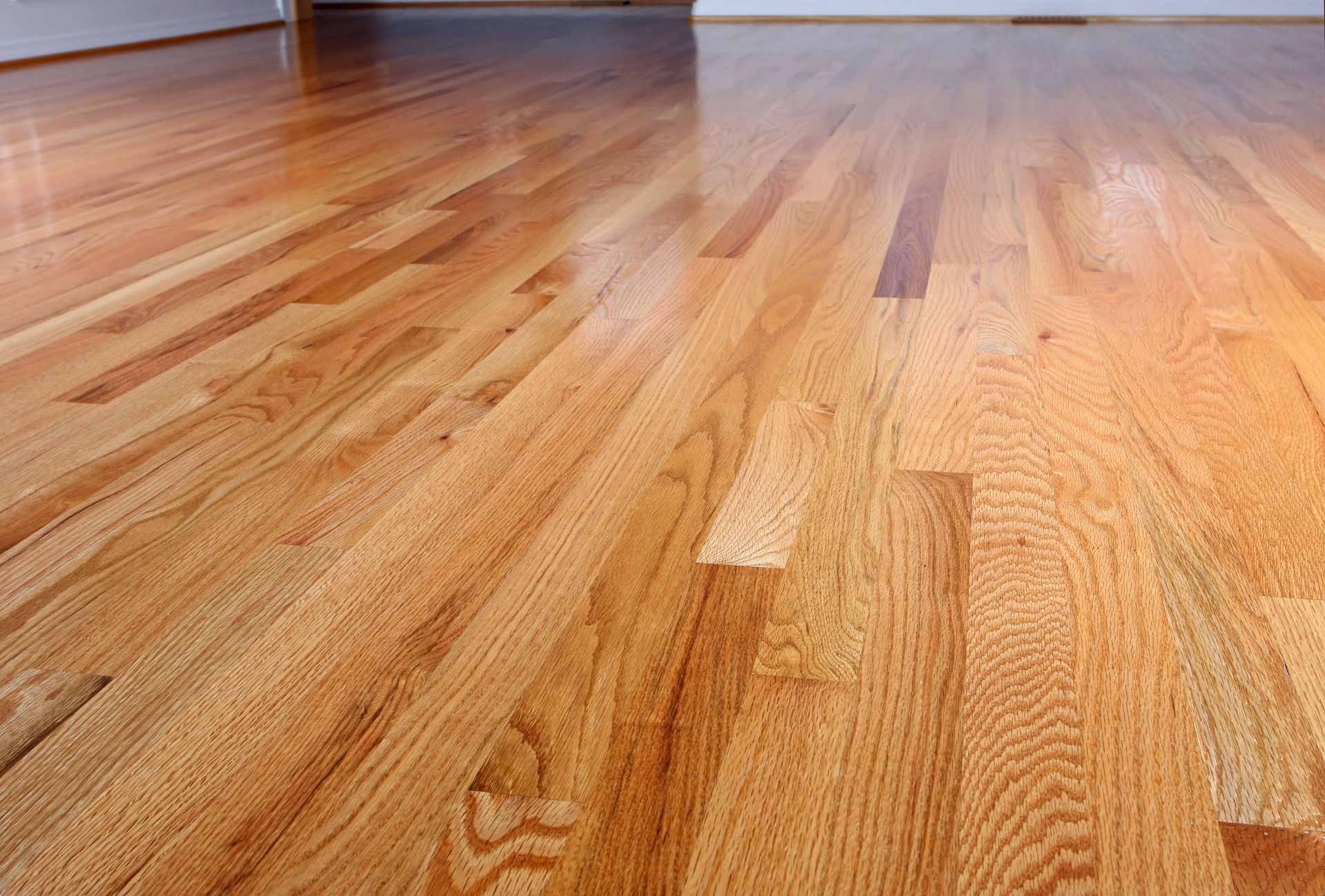
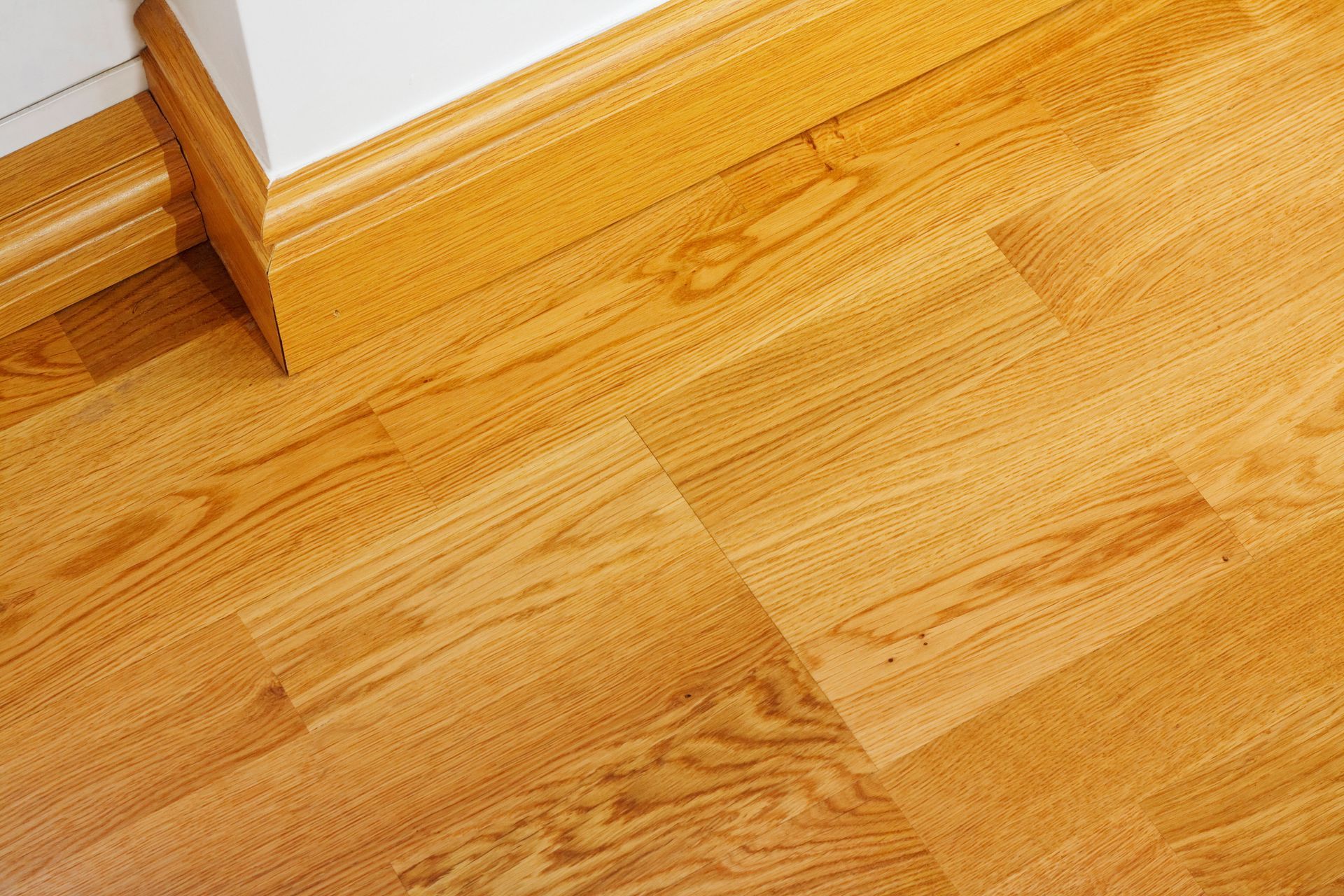
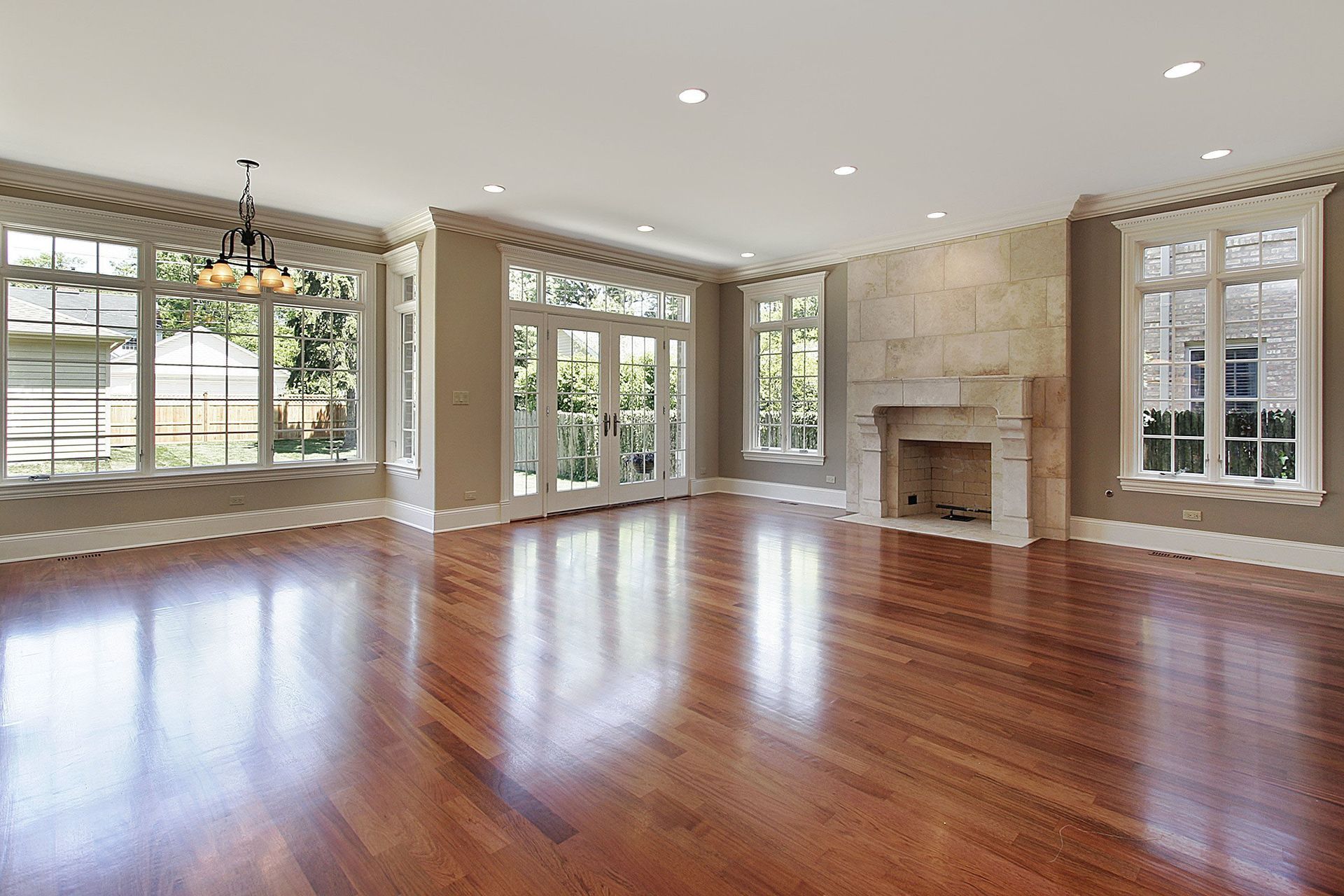
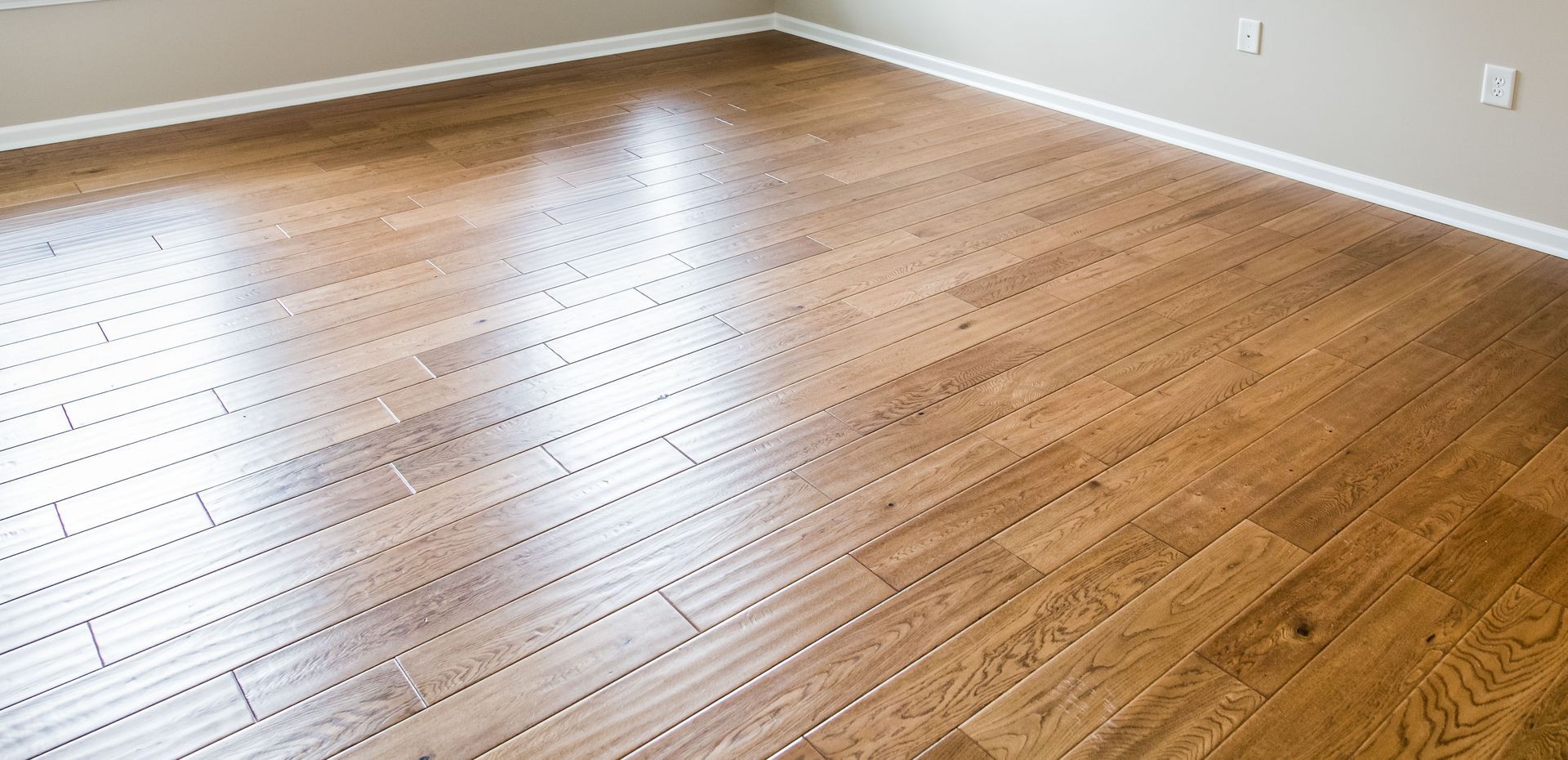
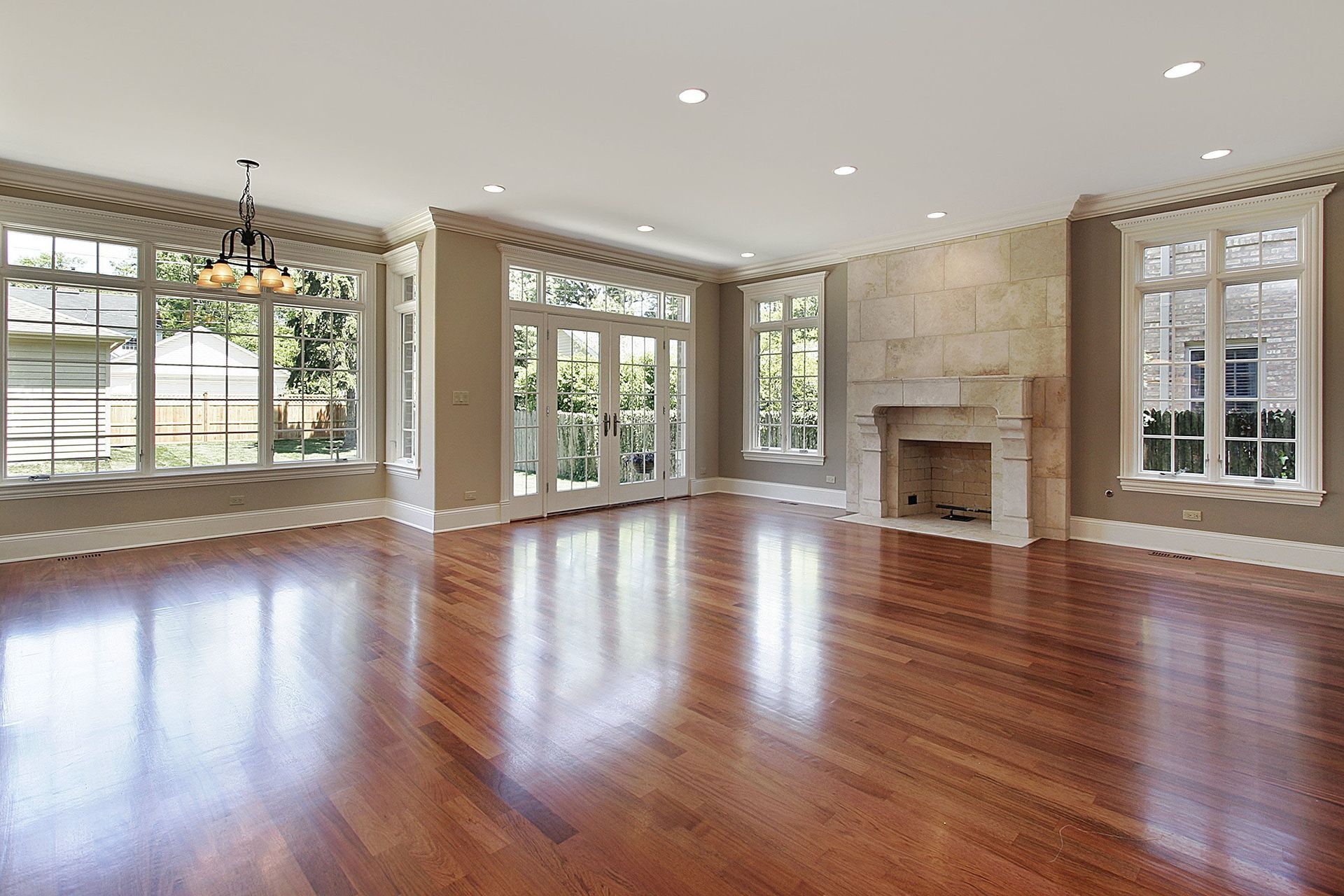
Hardwood flooring is a timeless choice cherished for its natural beauty and elegance. It is available in a variety of wood types including oak, maple, and cherry, each offering unique grain patterns and colors. Hardwood is not only aesthetically pleasing but also incredibly durable, with the potential to last for over 50 years if well maintained. Regular cleaning and occasional refinishing can prolong the life of hardwood floors, making them a worthwhile investment. Their installation is ideal in living areas and bedrooms, but they should be avoided in high-moisture areas like bathrooms.
2. Laminate Flooring
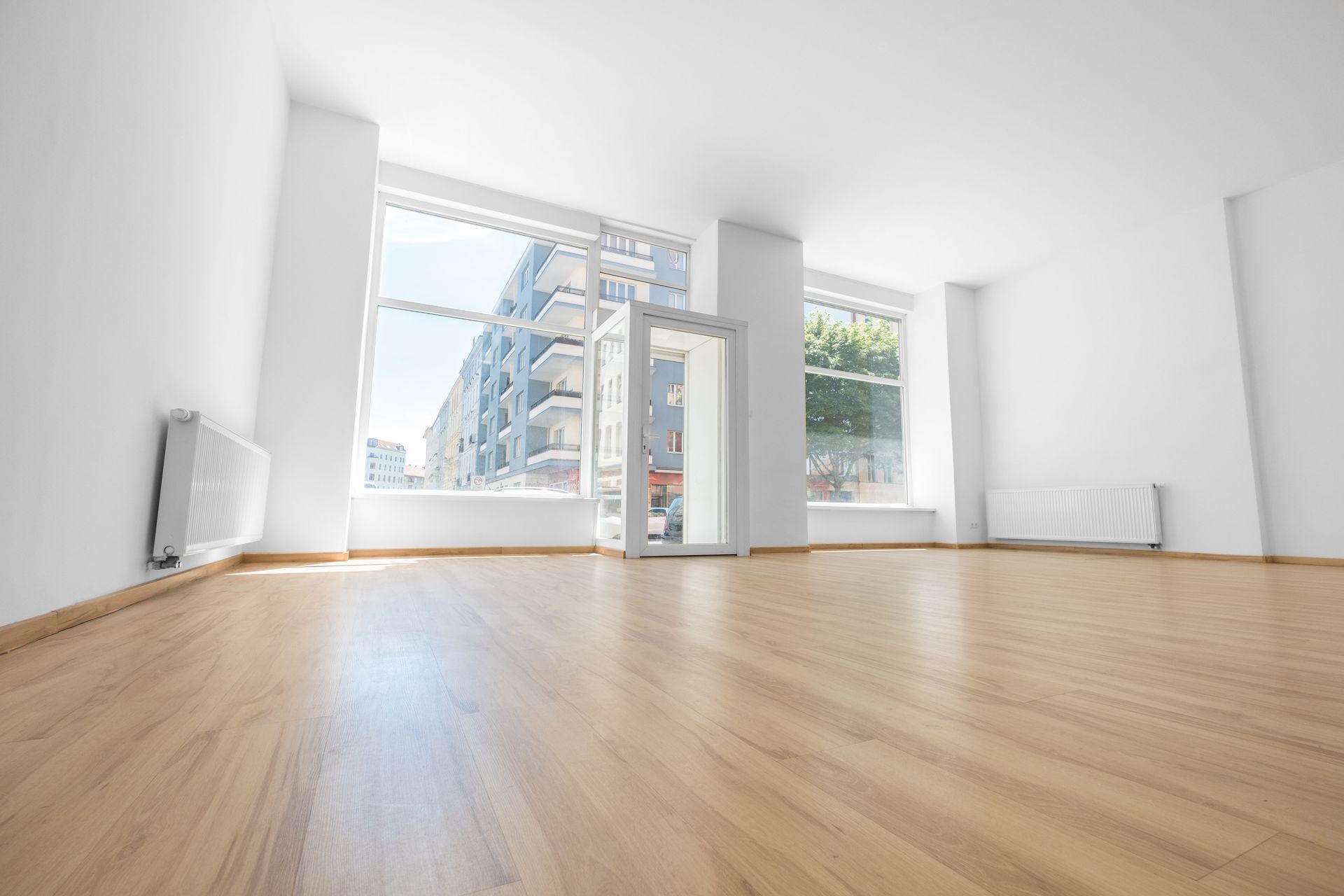
Laminate flooring presents a cost-effective alternative to hardwood, providing the appearance of real wood at a lower price point. Made from high-density fiberboard with a photographic layer that mimics wood, it offers durability and ease of installation. Laminate is resistant to scratches and stains, making it suitable for high-traffic areas in the home. Its click-and-lock installation design allows for easier placement, which can be done by competent DIY enthusiasts. However, when considering laminate, it's essential to assess the potential need for soundproof underlay to reduce noise.
3. Tile Flooring
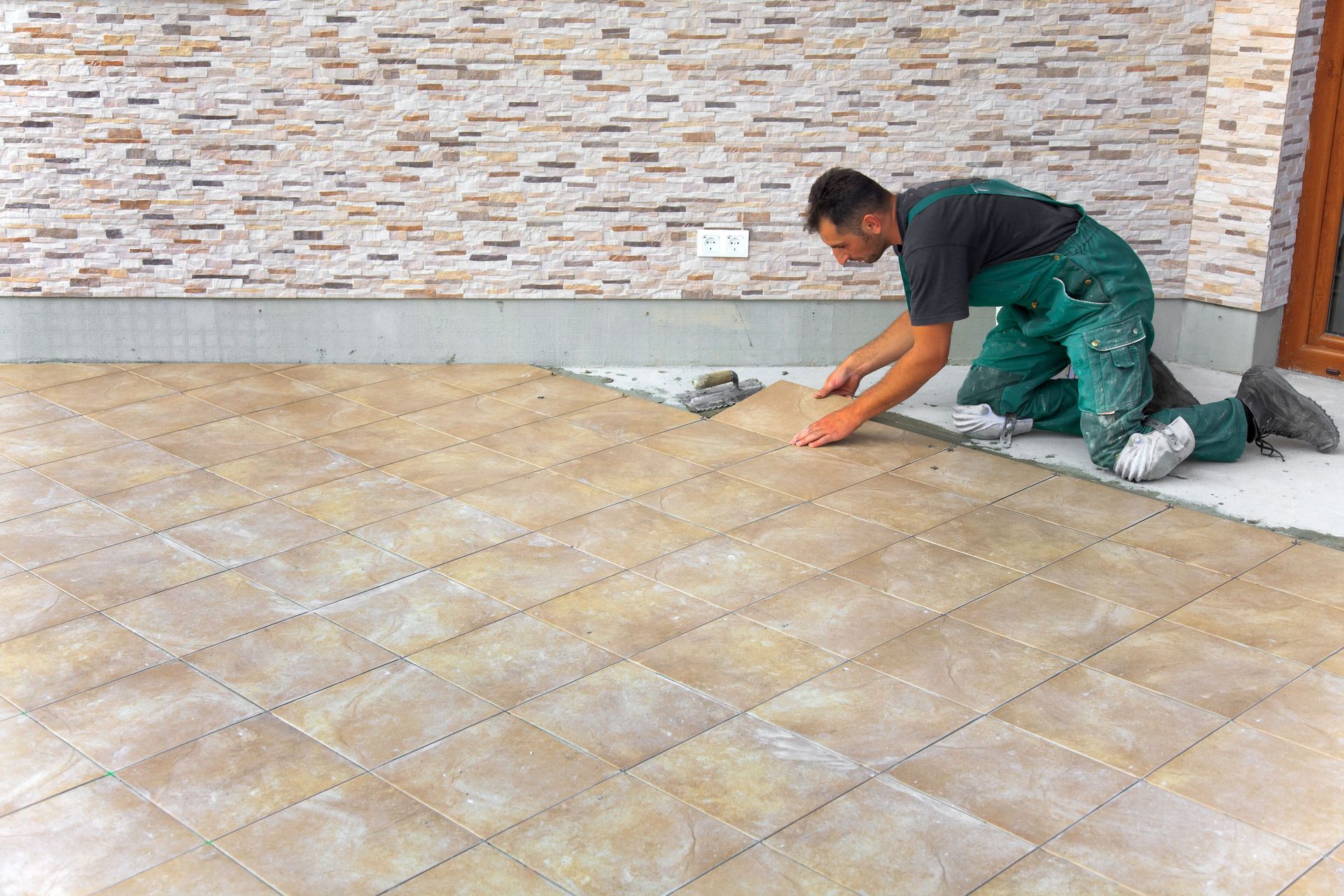
Tile flooring is admired for its water-resistance and longevity, often being the go-to choice for kitchens, bathrooms, and entryways. Available in materials such as ceramic, porcelain, and stone, tiles offer a wide array of styles and textures. Their non-porous surface ensures protection against spills and stains, making maintenance straightforward. Installation involves a meticulous process of leveling and grouting, typically requiring professional expertise to ensure durability. While tile floors can withstand considerable wear and tear, they may need periodic regrouting to maintain their appeal.
4. Vinyl Flooring
Vinyl flooring is versatile and affordable, known for its resilience and wide range of design options. It can imitate the appearance of natural materials like stone, wood, or ceramic but with enhanced comfort underfoot. Vinyl is moisture-resistant and relatively easy to clean, making it an excellent choice for kitchens and bathrooms. Its installation can be done using sheets or as luxury vinyl tiles (LVT), allowing for both quick application and intricate patterns. For an eco-friendly option, look for vinyl that meets low-emission standards, ensuring healthier indoor air quality.
5. Carpet Flooring
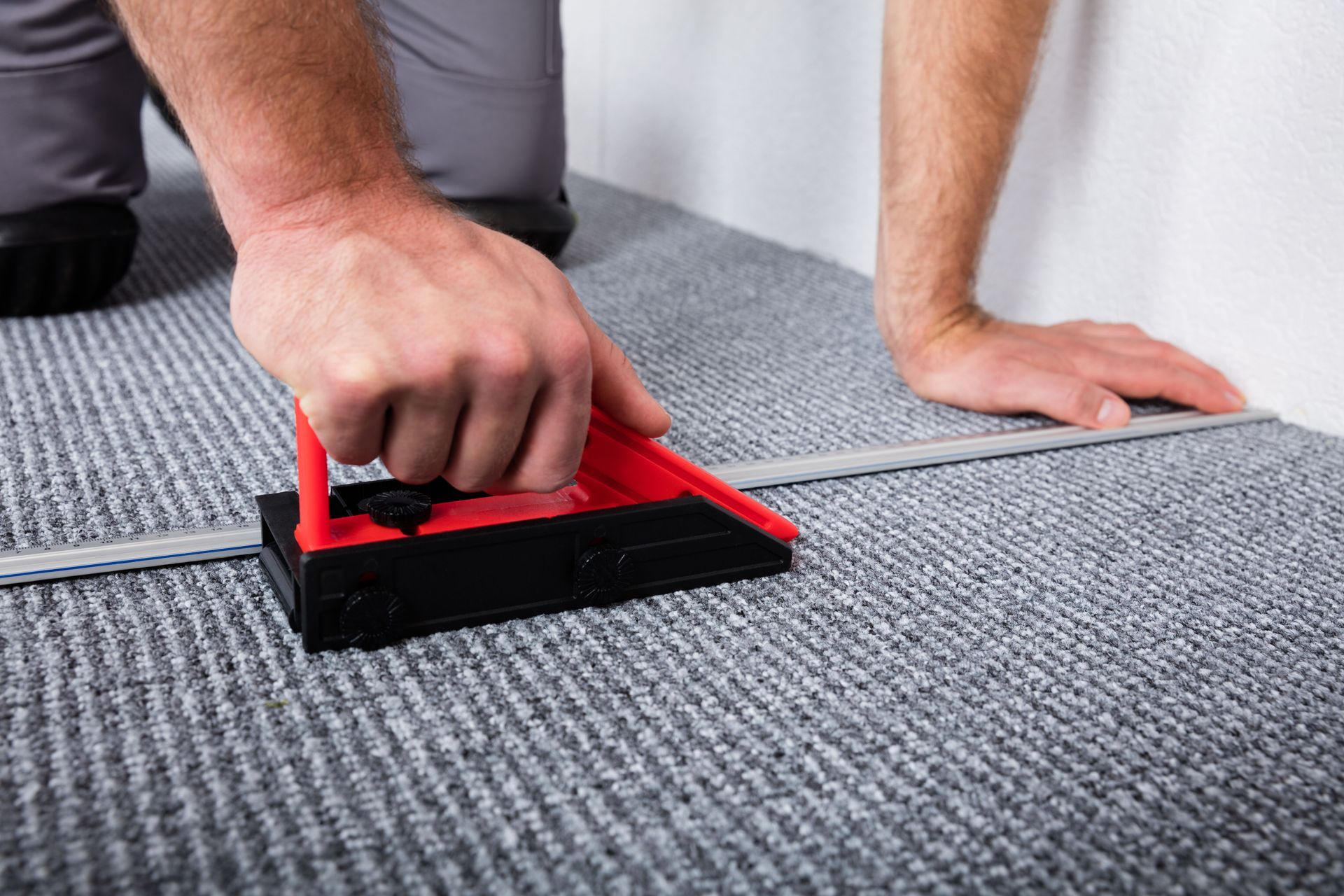
Carpet flooring adds warmth and comfort to a space, with a variety of textures, colors, and pile heights. It can enhance the aesthetic of a room while also providing sound insulation and warmth, which is ideal for bedrooms and family areas. Carpet does require regular vacuuming and occasional deep cleaning to maintain its appearance and extend its life. However, it may not be suitable for areas prone to spills or heavy moisture, like kitchens or bathrooms. Considering hypoallergenic options can benefit those with sensitivities, while stain-resistant treatments make maintenance easier.
Evaluating Cost vs. Value in Flooring Projects
1. Initial Investment
The cost of flooring materials can vary greatly depending on the type selected, making initial budgeting a crucial step. Hardwood and natural stone tend to maintain higher upfront costs, but these options can often add significant value to a home. Conversely, materials like laminate and vinyl provide budget-friendly options suitable for extensive areas without compromising on aesthetic appeal. It's vital to consider not only the material cost but also the potential installation charges, which can differ based on complexity. Planning and comparing quotes from multiple suppliers and installers can help ensure you get the best value for your expenditure.
2. Long-term Durability
Flooring durability is a significant factor affecting a home's value and should be a priority during selection. According to Fixr, both solid and engineered hardwood floors can last 50 years or more, making them a long-lasting investment. Other materials like tile and stone also offer extended lifespans with proper care, whereas carpets might need replacement sooner due to wear. Laminate and vinyl may offer a decade or two of service but are often an appropriate choice for areas subject to changing design trends. Investing in quality and durability can also contribute to better resale value.
3. Maintenance Costs
Each flooring type comes with its own set of maintenance requirements and associated costs which should be considered in overall budgeting. Hardwood might require refinishing over time, while tile floors may need regrouting to stay looking their best. Laminate and vinyl are generally low-maintenance, requiring simple cleaning to maintain their appearance. However, carpet may need more frequent professional cleaning to manage stains and allergens. Evaluating these long-term maintenance activities helps predict future costs and guides choices toward sustainable options within budget constraints.
4. Impact on Property Value
Flooring can substantially influence a home's resale value, with certain options regarded as more favorable than others. For instance, buyers typically value hardwood and tile for their durability and timelessness, often correlating with higher offers. Carpet, while comforting in some areas, may not always appeal to prospective buyers due to perceived drawbacks related to maintenance. Selecting flooring with broad appeal can enhance the property's desirability in the market. Opting for styles and materials that balance personal preference with market trends ensures both satisfaction and investment returns.
5. Budget-friendly Alternatives
Budget constraints need not limit the pursuit of quality flooring solutions, as there are numerous cost-effective alternatives available. Laminate flooring, for example, provides the elegance of wood at reduced costs, while modern vinyl can mimic premium materials affordably. Engineered wood offers a blend of style and durability without the expense of traditional hardwood. Prefinished products may reduce installation time, cutting labor costs for professional setups. These alternative options can accommodate specific aesthetic desires while maintaining financial responsibility.
Installation Best Practices
1. Pre-installation Preparation
Successful flooring installation begins with thorough pre-installation preparation. This involves assessing subfloor conditions to ensure it is clean, dry, and level, which is crucial for preventing future problems. Obtaining accurate room measurements is vital to purchasing the correct amount of material and limiting waste. It's also important to acclimate certain flooring types, like hardwood, to the room's climate before installation. Taking these steps helps safeguard against challenges during the installation process and ensures longevity of the new flooring.
2. Choosing the Right Contractor
Selecting an experienced and reputable flooring contractor is pivotal to a successful project outcome. Start by researching potential candidates, reviewing consumer feedback and ratings to gauge satisfaction and expertise. Ask for professional credentials, references, and examples of previous work. Obtain multiple quotes for comparison, ensuring the scope and specifics of the job are clear. A competent contractor will not only provide quality installation but will also offer guidance and advice tailored to your project's unique needs.
Successful flooring projects combine aesthetic appeal, functionality, and longevity, all guided by informed choices. By leveraging the expertise and insights shared by experienced flooring contractors, homeowners can achieve a perfect balance tailored to their lifestyle and budgetary needs. With these practical tips, embarking on or dreaming of a flooring upgrade becomes an exciting and fulfilling adventure. The multitude of options, from eco-friendly materials to cutting-edge designs, ensures there is a solution for every preference and requirement. As you move forward, these insights equip you to navigate the complexities of flooring decisions confidently, leading to enriched and enduring spaces. Be sure to reach out to Simeone Floors Inc today for more information on our professional flooring contractors!
Share On: