Selecting Commercial Flooring Companies for Resilient Floors
Commercial flooring plays an important role in the appearance, safety, and functionality of a business environment. From busy retail spaces to offices, restaurants, and healthcare facilities, floors must withstand daily activity while maintaining a professional appearance. Selecting the right materials and installation team helps businesses create spaces that remain attractive and practical over time. Careful planning allows property owners to balance durability, maintenance requirements, and design preferences while avoiding unnecessary expenses. Understanding what to evaluate when comparing flooring companies can make the selection process more straightforward and help businesses invest in resilient flooring that meets their operational needs.
Evaluate Commercial Flooring Requirements
Every commercial property has different flooring requirements based on its purpose, daily traffic, and environmental conditions. An office may need flooring that creates a comfortable, professional atmosphere, while a retail store might prioritize resistance to scuffs, spills, and frequent foot traffic. Identifying these priorities early helps narrow the available material options and establishes clear expectations for the installation project.
Before contacting flooring companies, consider how employees, customers, equipment, and furniture will interact with the finished surface. Areas exposed to moisture may require water-resistant materials, while entrances and corridors benefit from surfaces designed to handle concentrated traffic. Businesses should also consider accessibility, cleaning routines, and the visual impression they want to create. These factors help establish a practical foundation for choosing resilient flooring that supports everyday operations.
Compare Resilient Flooring Materials
Resilient flooring includes materials designed to provide flexibility, comfort, and resistance to everyday wear. Popular options include luxury vinyl tile, luxury vinyl plank, sheet vinyl, and rubber flooring. Each material offers different advantages regarding appearance, installation methods, maintenance, and performance. Comparing these characteristics helps property owners select a surface that fits their building rather than choosing a product based solely on its appearance.
Luxury vinyl can replicate the look of wood or stone while offering practical maintenance benefits. Sheet vinyl provides a continuous surface that can be useful in environments where minimizing seams is important. Rubber flooring offers cushioning and traction in selected commercial settings. When evaluating flooring companies, ask which products are appropriate for the property's intended use and whether their recommendations account for the specific demands of each room.
Material quality also deserves careful consideration. Commercial products are often designed for demanding environments, but specifications vary between manufacturers and product lines. Review wear-layer characteristics, moisture resistance, cleaning recommendations, and warranty conditions before making a decision. A knowledgeable installer should explain the differences clearly and help connect product specifications to the property's actual requirements.
Assess Durability and Expected Lifespan
Durability influences both the long-term value of a flooring investment and the frequency of future repairs. Commercial environments can expose floors to rolling carts, moving furniture, dropped objects, dirt, and repeated cleaning. Selecting a product designed for these conditions can help maintain its appearance and reduce disruptions associated with premature deterioration.
According to The Spruce, commercial-grade resilient flooring may remain serviceable for roughly a decade to three decades, depending on the product and conditions. This range illustrates why businesses should evaluate more than the initial purchase price. Traffic levels, installation quality, maintenance practices, and environmental exposure all influence how well a floor performs over time. Actual service life varies, so product-specific information is essential.
When reviewing flooring companies, ask how their recommended materials perform under comparable commercial conditions. Request information about wear resistance, manufacturer warranties, and common causes of damage. An installer should be able to explain the limitations of different products rather than promising that every floor will perform equally well. Clear expectations help businesses make informed decisions and prepare for future maintenance.
Review Installation Experience and Preparation
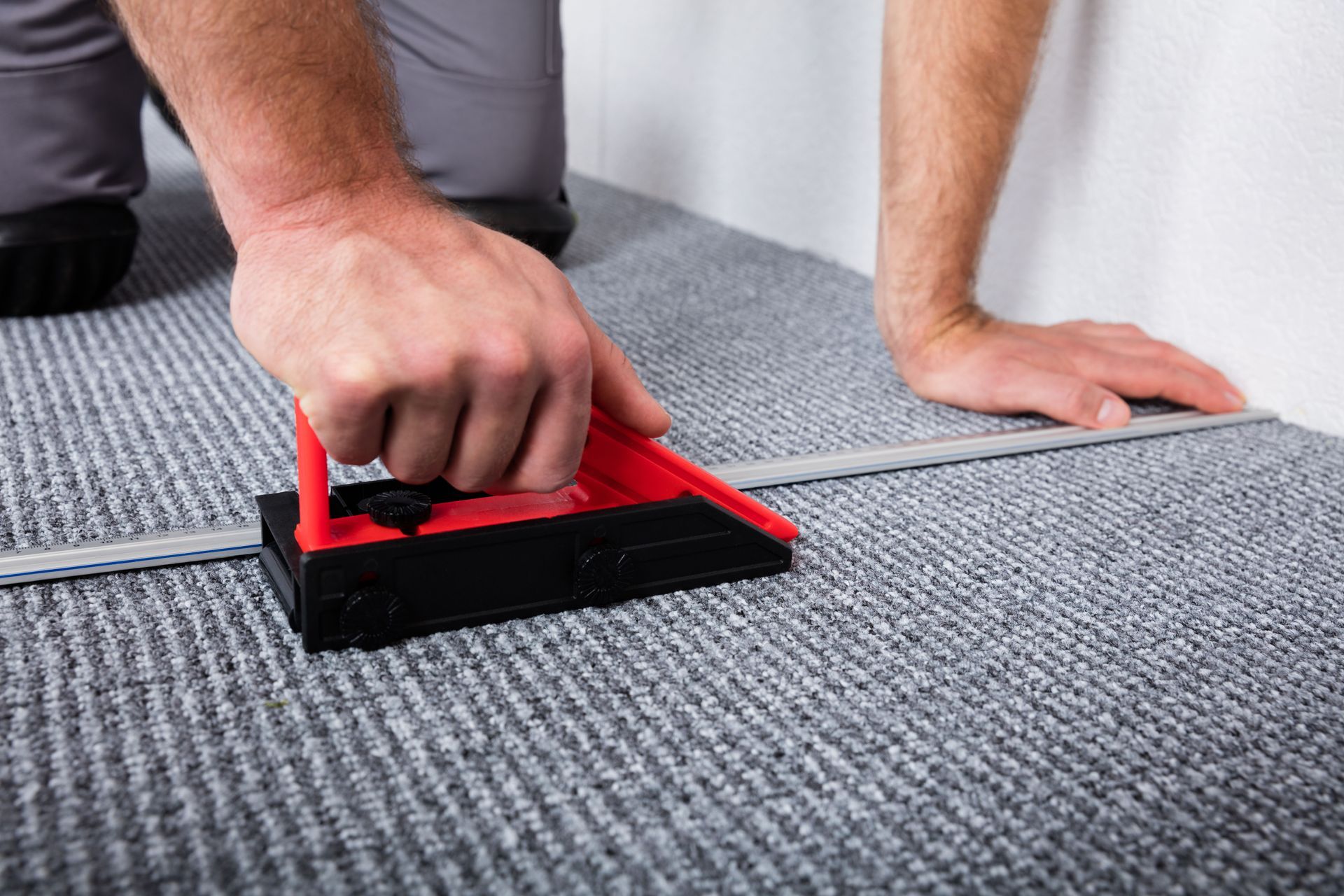
Even high-quality resilient flooring can experience problems when installation is rushed or the underlying surface is improperly prepared. Uneven subfloors, excess moisture, inadequate adhesive application, and incorrect installation techniques may contribute to lifting edges, visible imperfections, or premature wear. Proper preparation is therefore an essential part of achieving a durable and attractive result.
Experienced flooring companies should explain their installation process before work begins. Ask how the existing floor will be evaluated, whether old materials need removal, and how the subfloor will be prepared. Depending on the building and selected product, preparation may involve leveling, moisture testing, cleaning, or repairing damaged areas. Understanding these steps makes it easier to compare estimates and determine whether contractors have accounted for necessary work.
Businesses should also discuss scheduling and access restrictions. A commercial installation may affect employees, customers, inventory, or equipment, making coordination especially important. Ask whether the work can be completed in phases and how the installer will manage dust, noise, and access to occupied areas.
Consider Maintenance and Cleaning Needs
A resilient floor should support the property's regular cleaning routine without creating excessive maintenance demands. Different materials may require specific cleaning products, protective treatments, or precautions against abrasive tools. Understanding these requirements before installation helps businesses maintain the surface properly and avoid damage caused by unsuitable cleaning methods.
When comparing flooring companies, request written maintenance recommendations for the proposed product. Ask how frequently the surface should be cleaned, which products are appropriate, and whether special procedures are necessary for spills or stubborn stains. These details are particularly valuable for facilities with strict cleanliness expectations or limited maintenance staff.
Long-term upkeep also includes monitoring the floor for signs of deterioration. Loose edges, damaged seams, scratches, and persistent discoloration may indicate that repairs or adjustments are necessary. Addressing small problems promptly can prevent them from spreading and affecting larger sections of the installation. Businesses should understand which maintenance tasks their own staff can perform and when professional assistance may be appropriate.
Compare Estimates, Warranties, and Communication
A competitive estimate should explain the project's scope rather than simply present a total price. Businesses need to understand whether the quoted amount includes materials, labor, surface preparation, removal of existing flooring, disposal, transitions, and finishing work. Comparing these details provides a more accurate picture of overall value and reduces the likelihood of unexpected expenses during installation.
When evaluating flooring companies, request itemized proposals that identify the recommended product and explain any additional charges. Clarify whether repairs discovered during preparation would require separate approval. Ask about payment schedules, project timelines, and procedures for handling changes.
Warranty coverage deserves similar attention. Product warranties and installation warranties may address different issues, and exclusions can affect what is covered. Review the applicable terms and ask how problems should be reported if they arise after completion. Communication also matters throughout the selection process. Contractors who answer questions directly, explain their recommendations, and provide clear expectations make it easier to manage a commercial flooring project confidently.
Businesses should also consider references, relevant project experience, and the contractor's familiarity with their type of facility. Previous work in comparable environments can provide useful insight into installation quality and project coordination. Choosing a provider based on demonstrated experience, transparent pricing, and dependable communication can help protect the investment.
Selecting resilient commercial flooring involves balancing durability, appearance, maintenance, and installation requirements. By defining the property's needs, comparing materials, reviewing contractor experience, and examining project estimates carefully, businesses can make decisions that support their operations for years to come. Take the next step toward a durable, professional space by contacting Simeone Floors Inc to discuss your commercial flooring needs and explore options suited to your property.

Share On: